Bride vs. Groom Biodata: What Actually Differs (and What Shouldn't)
Traditional templates treat bride and groom biodatas very differently — some of that difference still matters, and a lot of it is outdated. Here's what to keep and what to drop.
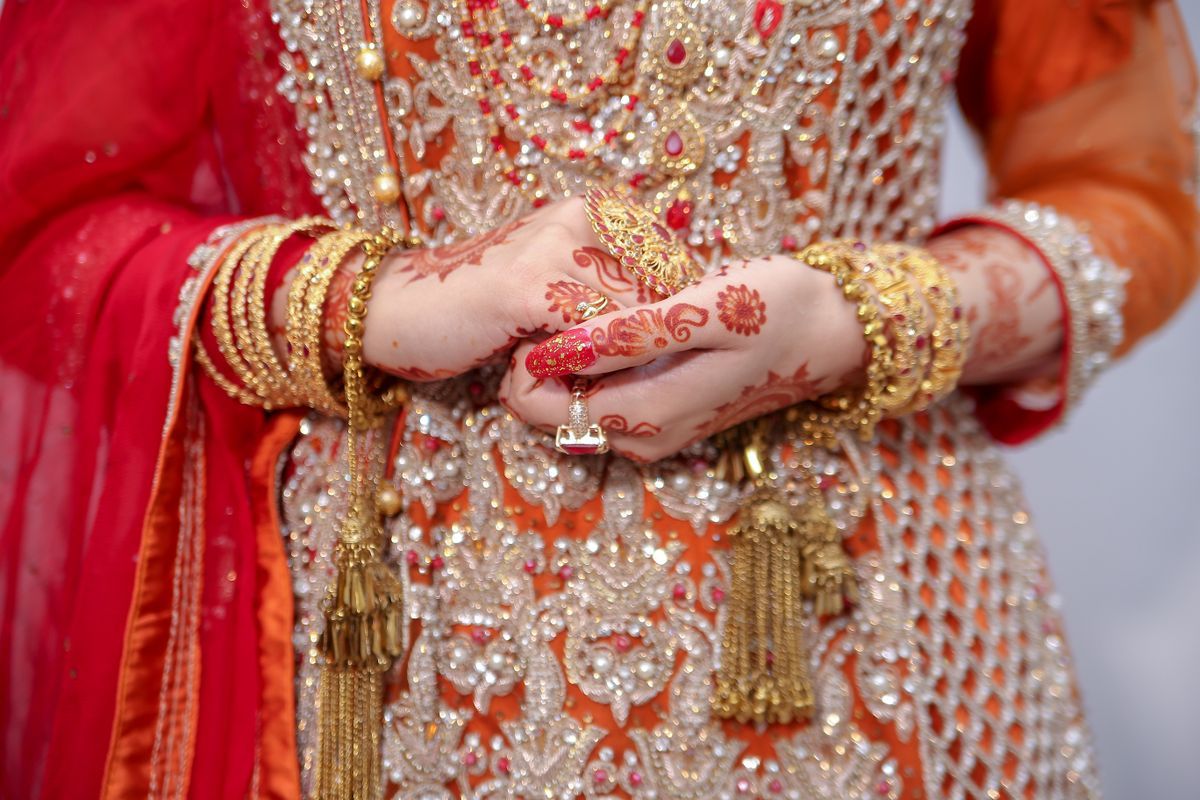
Structurally, a bride's biodata and a groom's biodata are nearly identical — same sections, same basic information. The real differences are in emphasis, and some of those inherited emphases are worth questioning rather than copying by default.
Where the formats genuinely differ
| Section | Traditional bride biodata | Traditional groom biodata |
|---|---|---|
| Profession | Often listed after family background | Usually listed first, in more detail |
| Homemaking skills | Sometimes explicitly mentioned | Rarely mentioned |
| Family responsibility | Focus on fitting into the groom's family | Focus on ability to support a family financially |
| Appearance description | Often described in more detail (complexion, height) | Usually brief |
What's actually changed — and what should
Two things are shifting fastest in how modern families write biodatas, regardless of gender: career details are now listed with equal prominence for both bride and groom, and appearance descriptions have gotten shorter and less specific across the board (a photo does that job better than adjectives ever could). Families increasingly ask for a partner's financial independence and career trajectory regardless of whether it's the bride's or groom's biodata — "stable career" isn't a groom-only descriptor anymore.
What hasn't changed, and arguably shouldn't: both biodatas still benefit from the same core structure — basic details, education/profession, family background, about-me, partner preferences, photos. The skeleton is gender-neutral even where cultural emphasis differs.
A practical rule of thumb
If a detail wouldn't be asked of the other gender, it's worth questioning whether it belongs on the biodata at all. "Can she cook" has no equivalent question asked of grooms in most modern templates — which is exactly why more families are dropping it rather than including it as a given. The reverse is also true: if income and career trajectory are scrutinized heavily for a groom, many modern families now apply the same scrutiny — and the same respect — to a bride's career.
Frequently Asked Questions
Should a bride's biodata mention cooking or homemaking skills?
It's optional and increasingly uncommon in biodatas written for urban, dual-income-oriented families. Include it only if it's genuinely something you want mentioned, not because tradition expects it.
Is it okay for a groom's biodata to mention he's comfortable with a working wife?
Yes — and it's increasingly common and well-received. Stating this explicitly (rather than assuming it's implied) avoids misalignment later.
Do bride and groom biodatas need different lengths?
No — one page for both is the standard, regardless of gender.
Find a matchmaker who curates your matches — not just another swipe feed.
Find a Matchmaker