A Groom's Guide to the First Meeting: What to Expect and How to Prepare
For many grooms, the first meeting is the most nerve-wracking part of the whole process — mostly because nobody explains what actually happens. Here's exactly what to expect.
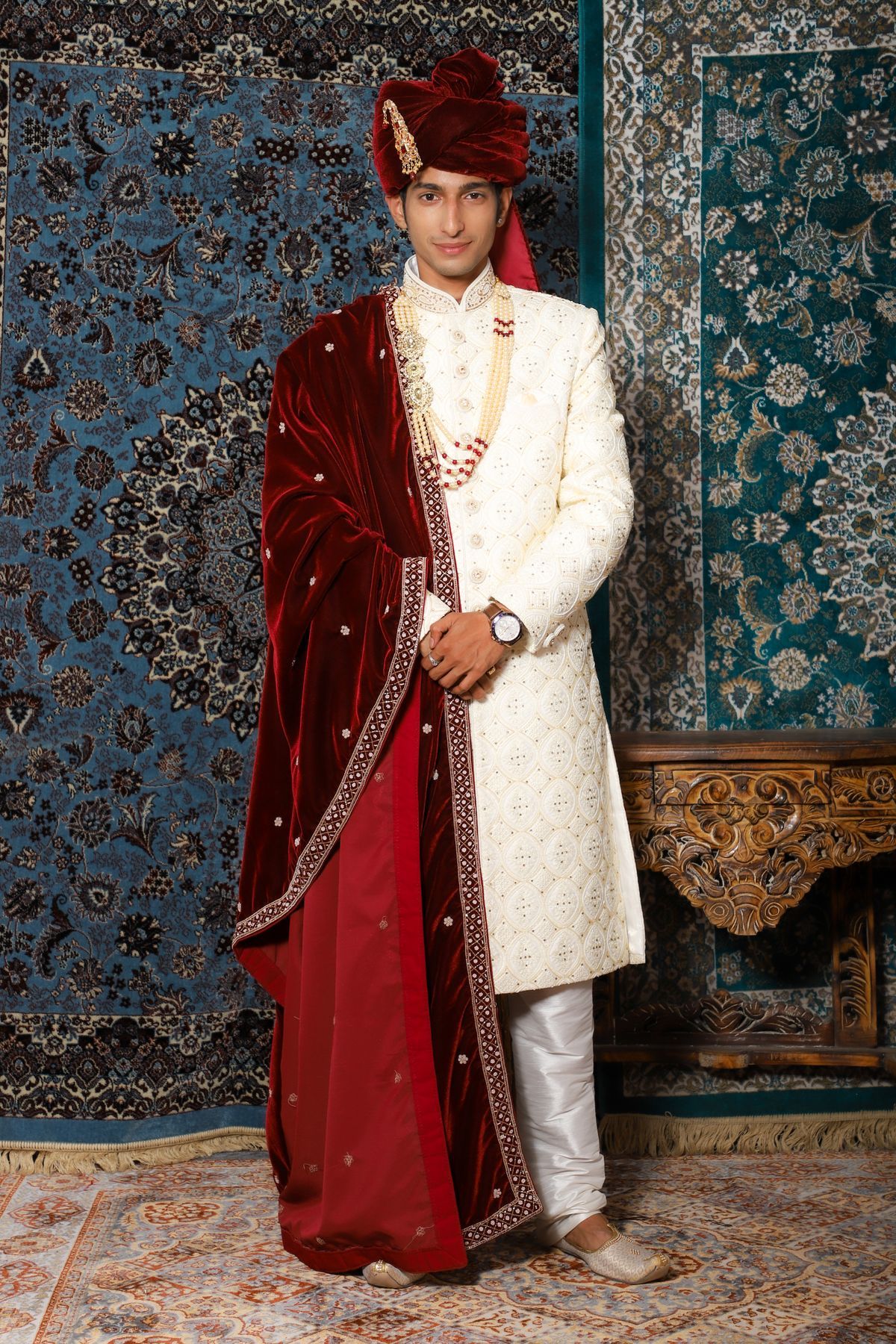
Here's what actually happens at a typical first meeting: both families (or sometimes just the two individuals, depending on preference) sit down, there's a period of general conversation, then usually some time for the prospective bride and groom to talk more directly — either in the same room or separately for a few minutes. It's less formal than it sounds, and most of the anxiety around it comes from not knowing the shape of it in advance.
Before the meeting
- Re-read her biodata carefully — not to memorize it, but so you're not asking questions that were already answered on the document.
- Decide what actually matters to you in a partner, beyond the generic list. If you haven't thought this through, the meeting will default to surface-level small talk.
- Talk to your family beforehand about how much input they'll have in the decision, so you're not negotiating that boundary in the moment.
During the meeting
Expect three phases, roughly: general family conversation (backgrounds, how everyone's connected, light topics), a period where you and the prospective bride get space to talk more directly, and a closing round where logistics (next steps, timeline) usually come up. You don't need to fill every silence — a few seconds of quiet while you think of a real question is better than a rushed generic one.
Ask real questions, not performative ones. "What does a typical weekend look like for you" gets a more useful answer than "what are your hobbies." Pay attention not just to what she says but how comfortable she seems — is she getting room to speak, or is the conversation being steered by parents on both sides?
Common groom anxieties, addressed directly
- "What if I don't know what to say?" — Prepare 3-4 real questions in advance (see our question guide) so you're not improvising from zero.
- "What if my family and I disagree afterward?" — Decide beforehand whether your decision is final or a joint one with your family, so this conversation happens before the meeting, not awkwardly after it.
- "What if there's no chemistry?" — That's a completely valid, common outcome of a first meeting, and saying so honestly (through the matchmaker or family, not ghosting) is the respectful way to handle it.
After the meeting
Give yourself real time to reflect rather than deciding in the car on the way home. Most matchmakers recommend sleeping on it for at least a day. If you want a second meeting, say so clearly and soon — unexplained delay reads as disinterest even when that's not the intent.
Frequently Asked Questions
What should a groom wear to a first meeting?
Smart, simple, and similar to what you'd wear to meet a new client or a respected elder — there's no need to overdress, but it shouldn't read as casual either.
Is it normal to feel nervous before a first meeting as a groom?
Yes, and it's worth saying so if it comes up naturally — most people (and most families) respond warmly to honesty about nerves rather than forced confidence.
How soon after the meeting should a groom give feedback?
Within a few days is standard. Longer than a week without any communication is usually read as a "no," even if that's not the intended message.
Find a matchmaker who curates your matches — not just another swipe feed.
Find a Matchmaker