Is Your Data Safe With a Matchmaker? A Privacy Checklist for Families
Your biodata contains more sensitive personal information than most people realize. Here's what to check before trusting a matchmaker or platform with it.
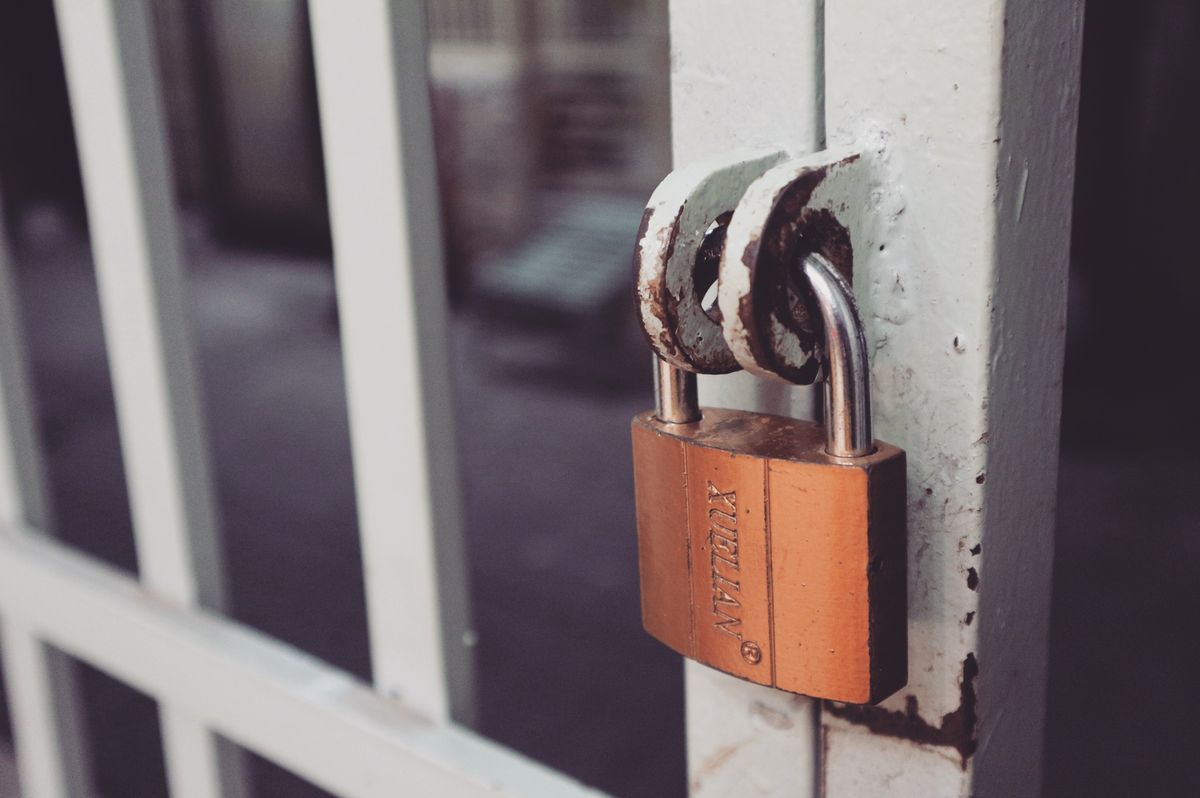
A marriage biodata typically contains your full name, date of birth, address or city, photos, family details, education, employer, and sometimes income range — enough personal information to be genuinely sensitive if it's shared carelessly. The core question to ask any matchmaker or platform before handing this over is simple: who exactly can see my profile, and can I control or revoke that?
What a matchmaker should never ask for
- Payment to release your own profile back to you, or to "unlock" a match — legitimate fee structures are for the matchmaking service itself, not for access to your own data.
- Bank account numbers, OTPs, or full financial account details at any stage of the process — there is no legitimate reason a matchmaker needs this.
- Your government ID documents shared over an unsecured channel (plain email, WhatsApp) without any explanation of how they'll be stored or who can access them.
A practical privacy checklist
- Can any other client or matchmaker on the platform see my profile without my specific permission? If the answer is "that's just how the network works," be cautious — your client relationship with a matchmaker shouldn't default to shared visibility.
- Can I share specific profile details selectively (e.g., photos shared only with families actively being introduced, not the whole network)?
- What happens to my data if I stop using the service — is it deleted, retained, or still shared with others?
- Is there a way to revoke access to something I've already shared if a particular introduction doesn't work out?
- Does the platform or bureau have a written privacy policy, and does it actually match what you're told verbally?
Common matrimony scam patterns to recognize
A few patterns show up repeatedly in matrimonial fraud, and recognizing them early matters more than any single red flag in isolation: a prospective match who moves very fast emotionally and then requests money for an emergency (medical, travel, customs fees) before ever meeting in person; profiles with photos that reverse-image-search to unrelated people or stock images; and pressure to move communication off a platform's monitored channels very early, before any real vetting has happened.
What a trustworthy matchmaker actually looks like on this front
A matchmaker or platform that takes privacy seriously will usually be specific, not vague, when you ask these questions directly — they'll describe exactly who sees what and when, rather than offering reassurance without detail. If a bureau or matchmaker can't clearly explain their own data-sharing practices when asked directly, that's worth weighing seriously before sharing sensitive family information with them.
Frequently Asked Questions
Should I be worried about sharing photos with a matchmaker?
A reasonable amount of concern is healthy — ask specifically how and with whom photos are shared, and whether you can limit that to active introductions rather than a broad network.
What's the biggest red flag for a matrimony scam?
Any request for money before an in-person meeting has happened, especially framed as an emergency. This is one of the most common and well-documented matrimonial scam patterns.
Can I ask a matchmaker to delete my data if I stop using their service?
You should be able to, and it's worth asking this question before signing up, not after. A reputable matchmaker or platform will have a clear answer ready.
Find a matchmaker who curates your matches — not just another swipe feed.
Find a Matchmaker