The Başlık Debate: Understanding Turkey's Bride-Price Tradition
Başlık — a payment from the groom's family to the bride's — is a genuinely contested custom in Turkey today: declining, regionally uneven, and worth understanding factually rather than through stereotype.
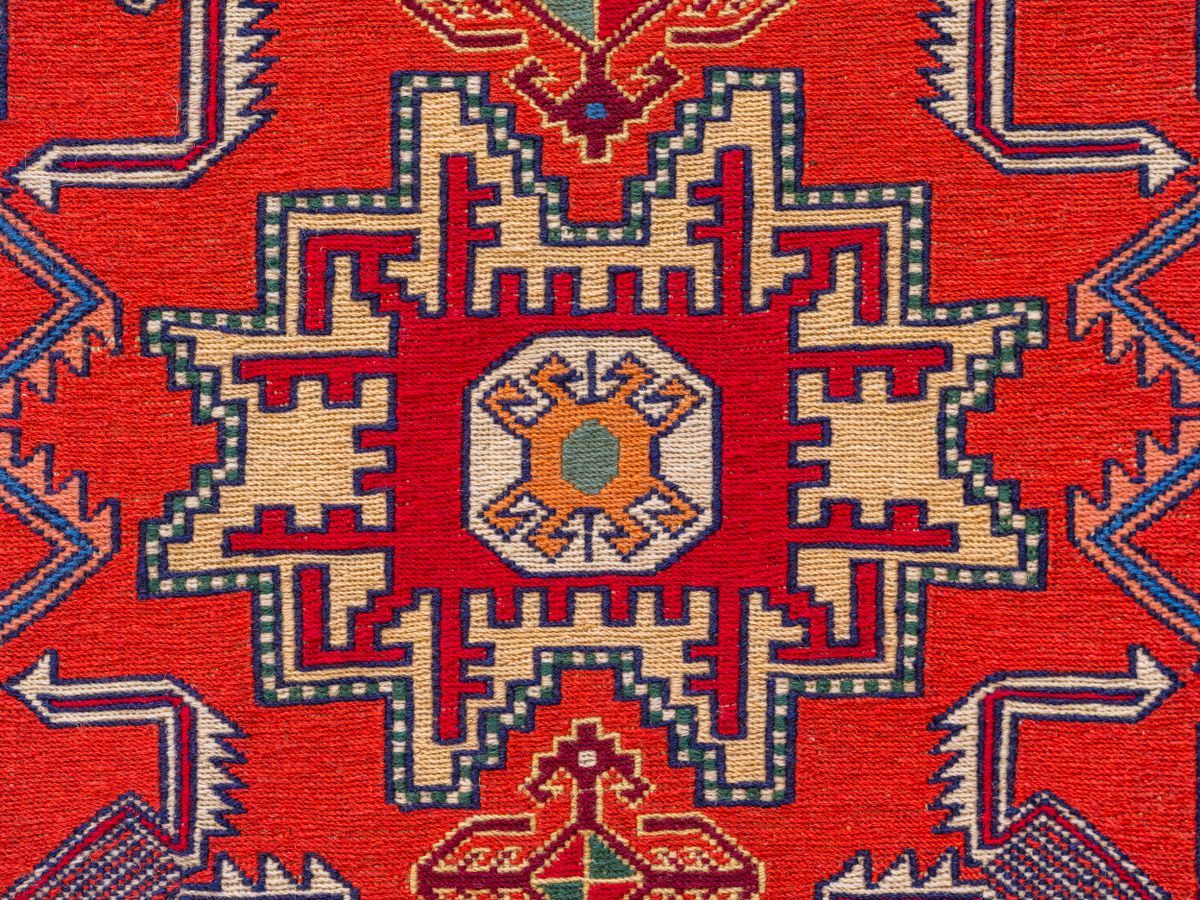
Başlık is a payment traditionally made by the groom's family to the bride's family, historically practiced in parts of rural Turkey — distinct from mehir (Turkey's version of the Islamic mahr, which is owed by the groom directly to the bride, not her family). Unlike mehir, başlık is not a religious requirement; it's a regional social custom, and today it is genuinely contested within Turkish society rather than a settled, universally accepted tradition.
Başlık vs. mehir: two different payments, easy to confuse
| Aspect | Başlık | Mehir |
|---|---|---|
| Who pays | Groom's family | Groom (personally) |
| Who receives | Bride's family | The bride herself |
| Religious basis | None — a social/regional custom | Islamic marriage requirement |
| Current status | Declining, regionally concentrated, actively debated | Still standard practice, religiously expected |
Why başlık is debated rather than simply accepted
Critics — including many within Turkey — argue that başlık can function similarly to a bride price in ways that commodify marriage decisions, place financial burden on the groom's family in ways that can delay marriages, and in more extreme cases, has been linked in academic and journalistic accounts to family conflict when payment expectations aren't met. It is more prevalent in some rural and eastern regions than in urban centers, and its practice and acceptance vary considerably by community, family, and generation. It would be inaccurate to describe it as a nationwide, uniformly practiced Turkish custom — it is regionally concentrated and increasingly uncommon in urban, educated populations.
Why this matters for anyone engaging with Turkish marriage customs
For a matchmaker, researcher, or partner encountering Turkish marriage traditions, the practical takeaway is to avoid assuming başlık is either universal or absent — ask directly about a specific family's practice and region rather than generalizing from stereotype in either direction. Conflating başlık with mehir (a separate, religiously grounded, still-standard practice) is also a common and avoidable error.
Frequently Asked Questions
Is başlık still commonly practiced in Turkey?
It has declined significantly and is regionally concentrated — more common in some rural and eastern areas than in urban, educated populations — rather than a nationwide standard practice today.
Is başlık the same as mehir?
No — mehir is an Islamic religious requirement paid by the groom to the bride personally; başlık is a separate, non-religious regional custom paid by the groom's family to the bride's family.
Is başlık controversial within Turkey itself?
Yes — it is actively debated in Turkish media, academia, and among families themselves, with critics raising concerns about its effect on marriage decisions and family relationships.
Find a matchmaker who curates your matches — not just another swipe feed.
Find a MatchmakerRelated reading
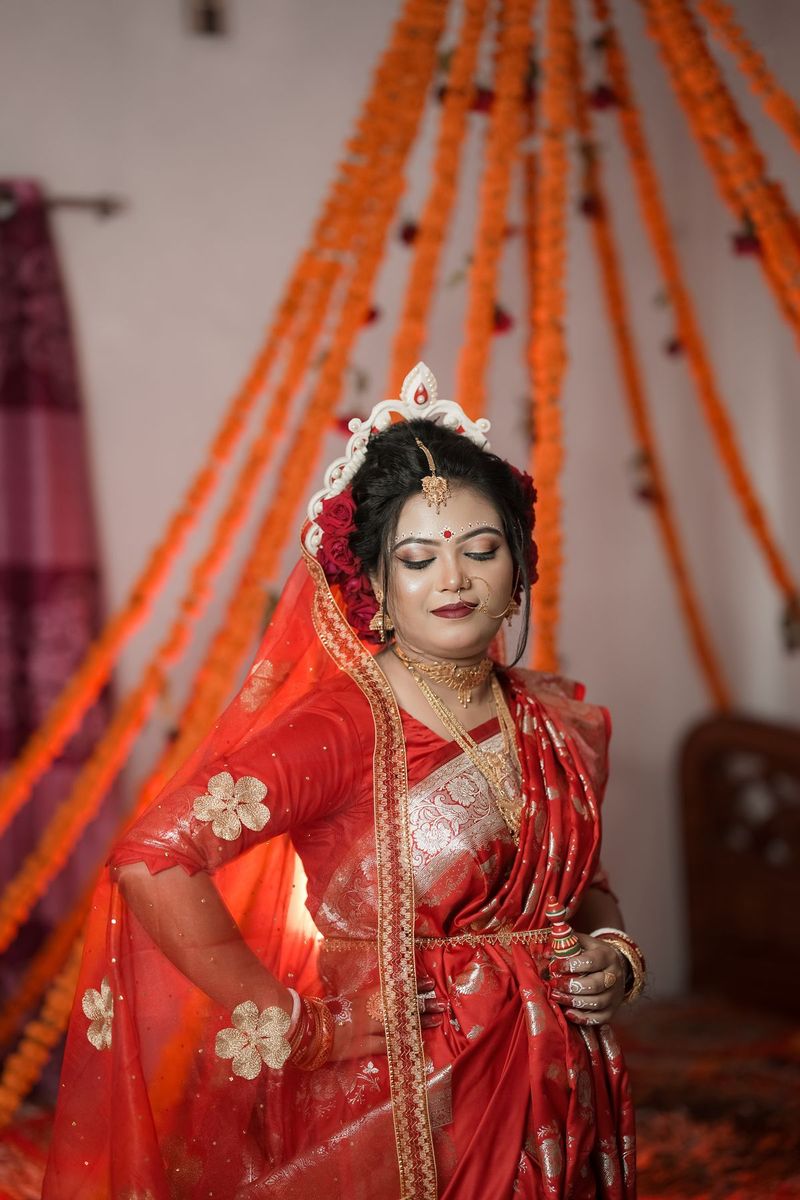
Denmohar and Biodata: What a Bangladeshi Marriage Proposal Actually Involves
A Bangladeshi marriage proposal blends South Asian biodata customs with denmohar — the Bengali term for the Islamic mahr. Here's what families actually navigate, step by step.
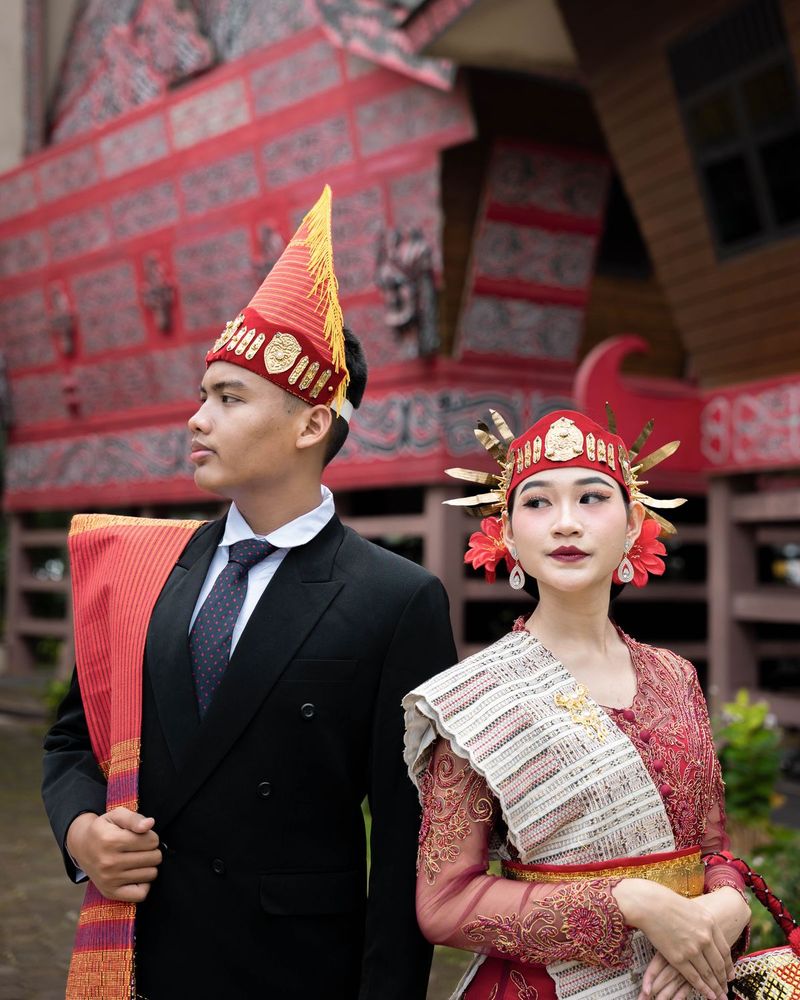
Taaruf vs. Pacaran: Indonesia's Islamic-Compliant Matchmaking Movement
Taaruf is a structured, Islamically-framed introduction process that's become a genuine tech and cultural movement in Indonesia — explicitly positioned as an alternative to secular dating.
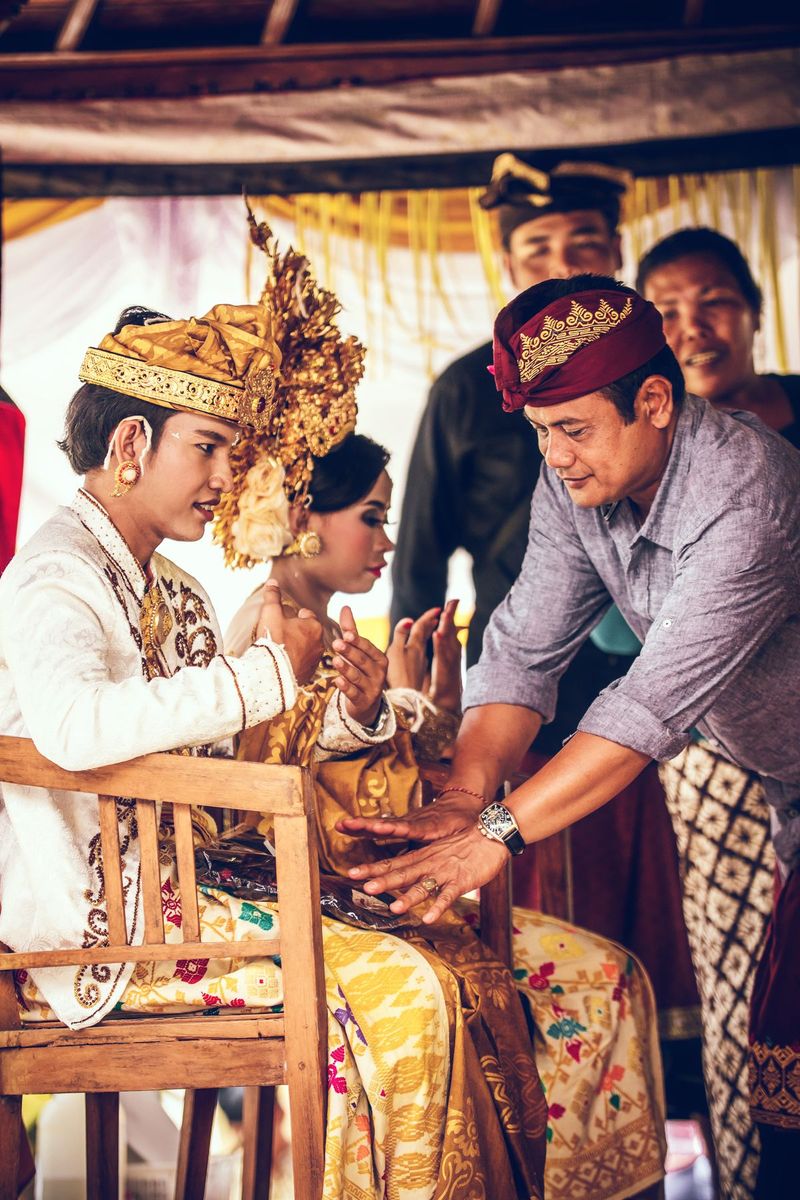
Lamaran and Beyond: How Marriage Proposals Work Across Indonesia's Ethnic Traditions
Lamaran is Indonesia's general marriage-proposal custom — but with over 300 ethnic groups, the specifics vary enormously, including one major tradition that reverses who proposes to whom.