Lamaran and Beyond: How Marriage Proposals Work Across Indonesia's Ethnic Traditions
Lamaran is Indonesia's general marriage-proposal custom — but with over 300 ethnic groups, the specifics vary enormously, including one major tradition that reverses who proposes to whom.
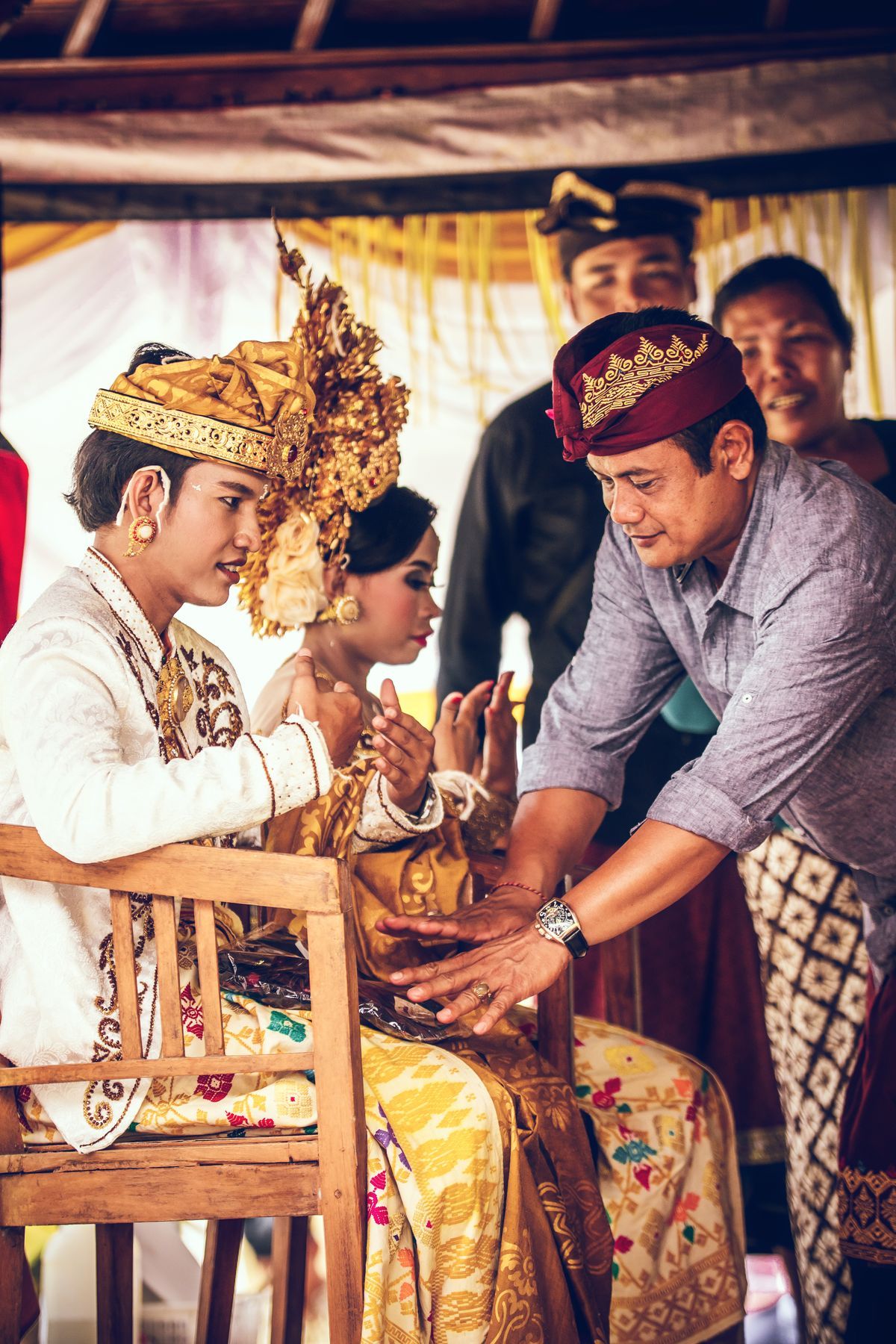
Lamaran is the general Indonesian term for the formal marriage proposal — a family-to-family event where the groom's family visits the bride's family to formally request her hand, typically bringing seserahan (symbolic gifts, often including gold and household items). It's a widely recognized custom across Indonesia, but with over 300 ethnic groups and distinct regional "adat" (customary law) traditions, the specifics of how lamaran unfolds vary considerably.
The general shape of a lamaran
- Informal inquiry — families establish mutual interest, often through existing family or community connections.
- The formal lamaran visit — the groom's family visits the bride's family, bringing seserahan gifts and formally proposing on the groom's behalf.
- Family negotiation — details of the wedding, sometimes including practical arrangements, are discussed between the families.
- Acceptance and engagement — once terms are agreed, the engagement is formalized, often followed later by the religious/legal marriage ceremony.
Seserahan: more than just gifts
The seserahan exchanged at a lamaran typically carries symbolic meaning beyond material value — gold often represents lasting commitment, while practical household items can symbolize the groom's family's intent to support the couple's future life together. The specific items and their meanings vary by ethnic tradition, but the practice of meaningful, not merely valuable, gift-giving is broadly shared.
Minangkabau: where the tradition reverses
Indonesia's adat diversity produces genuinely different structures, not just different details on a shared template. The Minangkabau people of West Sumatra follow a matrilineal system — property and lineage pass through the female line — and correspondingly, it is customarily the bride's family that proposes to the groom's family, the reverse of the general Indonesian pattern. This is a structural difference, not a minor variation, and it's a useful example of why "Indonesian marriage custom" should never be treated as a single, uniform tradition.
Frequently Asked Questions
Is lamaran the same across all of Indonesia?
No — the general concept (a formal family proposal visit with symbolic gifts) is widely shared, but specific customs, gift traditions, and even who proposes to whom vary significantly by ethnic group and region.
What is seserahan?
Symbolic gifts — often gold and household items — exchanged during the lamaran, representing commitment and support for the couple's future rather than simply material value.
Why does the Minangkabau tradition reverse the usual proposal direction?
The Minangkabau follow a matrilineal system where lineage and property pass through the female line, and marriage customs correspondingly place the bride's family in the role of initiating the proposal.
Find a matchmaker who curates your matches — not just another swipe feed.
Find a MatchmakerRelated reading
Denmohar and Biodata: What a Bangladeshi Marriage Proposal Actually Involves
A Bangladeshi marriage proposal blends South Asian biodata customs with denmohar — the Bengali term for the Islamic mahr. Here's what families actually navigate, step by step.
Taaruf vs. Pacaran: Indonesia's Islamic-Compliant Matchmaking Movement
Taaruf is a structured, Islamically-framed introduction process that's become a genuine tech and cultural movement in Indonesia — explicitly positioned as an alternative to secular dating.
The Başlık Debate: Understanding Turkey's Bride-Price Tradition
Başlık — a payment from the groom's family to the bride's — is a genuinely contested custom in Turkey today: declining, regionally uneven, and worth understanding factually rather than through stereotype.