Denmohar and Biodata: What a Bangladeshi Marriage Proposal Actually Involves
A Bangladeshi marriage proposal blends South Asian biodata customs with denmohar — the Bengali term for the Islamic mahr. Here's what families actually navigate, step by step.
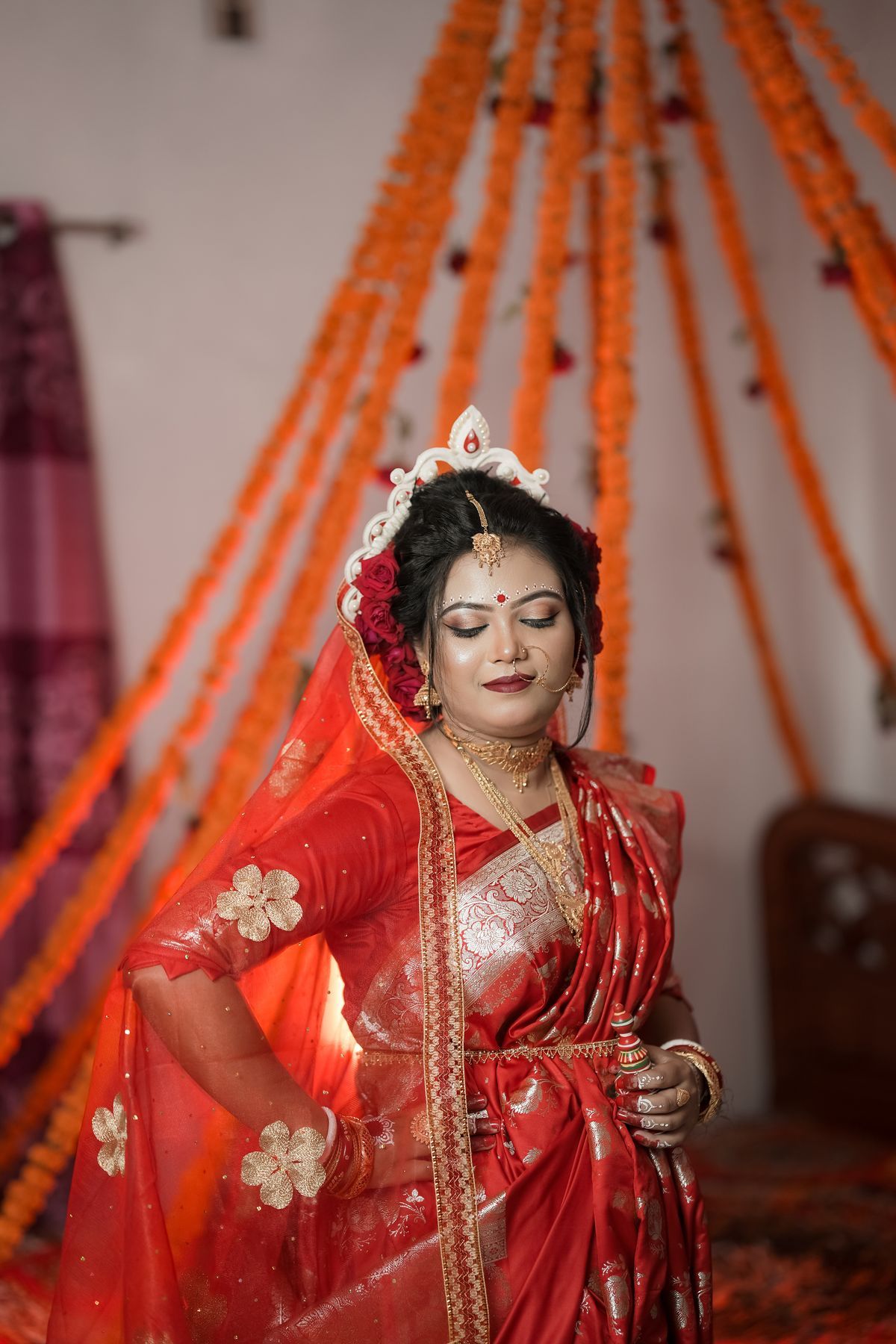
A Bangladeshi marriage proposal typically combines two elements familiar from different traditions: the biodata-driven introduction process common across South Asia, and denmohar — the Bengali term for the Islamic mahr, specified in the marriage contract as the groom's obligation to the bride. Understanding how these two pieces fit together explains most of what a family actually navigates during the process.
The biodata stage
As in India and Pakistan, a Bangladeshi marriage biodata typically covers family background, education, profession, and religious observance, and is circulated through family networks, a ghotok (traditional matchmaker), or increasingly a matrimonial platform. The core purpose is the same across the region: give a prospective family enough structured information to decide whether a meeting is worthwhile.
Patro-patri dekha: the viewing meeting
Once families express mutual interest based on biodata, "patro-patri dekha" (literally, the bride/groom viewing) is the meeting where families formally meet the prospective couple. This mirrors the "first meeting" stage common across South Asian matchmaking traditions, serving the same purpose — assessing compatibility beyond what's captured on paper.
Denmohar: what it is and when it's discussed
Denmohar is negotiated and formally recorded in the marriage contract (kabin), typically once families have agreed to move forward with the match. Like mahr generally, it's owed by the groom to the bride personally, and becomes her property — it's a right specified under Islamic marriage law, not a family-to-family transaction, and not equivalent to dowry. Bangladesh's majority Muslim population makes denmohar terminology functionally central to how marriage proposals are documented and discussed, in the same way kundli and gotra considerations are central for many of Bangladesh's minority Hindu-Bengali families, who follow customs closer to India's Hindu matrimonial traditions.
Putting the stages together
- Biodata prepared and circulated (family network, ghotok, or platform)
- Mutual interest established between families
- Patro-patri dekha (viewing meeting)
- Denmohar negotiated and recorded in the kabin (marriage contract)
- Marriage proceeds
Frequently Asked Questions
Is denmohar the same as mahr?
Yes — denmohar is simply the Bengali-language term for the same Islamic mahr concept practiced across the Muslim-majority world, specified in the marriage contract and owed by the groom to the bride.
Do all Bangladeshi families follow denmohar customs?
Denmohar is specific to Muslim marriage customs, which apply to Bangladesh's majority population; the country's minority Hindu-Bengali community follows different customs closer to broader Hindu South Asian traditions.
What is patro-patri dekha?
The formal meeting where families and the prospective bride and groom meet in person after initial interest is established through biodata — comparable to the "first meeting" stage in Indian and Pakistani matchmaking.
Find a matchmaker who curates your matches — not just another swipe feed.
Find a MatchmakerRelated reading
Taaruf vs. Pacaran: Indonesia's Islamic-Compliant Matchmaking Movement
Taaruf is a structured, Islamically-framed introduction process that's become a genuine tech and cultural movement in Indonesia — explicitly positioned as an alternative to secular dating.
Lamaran and Beyond: How Marriage Proposals Work Across Indonesia's Ethnic Traditions
Lamaran is Indonesia's general marriage-proposal custom — but with over 300 ethnic groups, the specifics vary enormously, including one major tradition that reverses who proposes to whom.
The Başlık Debate: Understanding Turkey's Bride-Price Tradition
Başlık — a payment from the groom's family to the bride's — is a genuinely contested custom in Turkey today: declining, regionally uneven, and worth understanding factually rather than through stereotype.