Görücü Usulü: Turkey's Traditional Arranged-Introduction Custom, Then and Now
Görücü usulü — Turkey's family-led introduction tradition — is still practiced by a majority of first-time couples today, just not in the way most outsiders imagine.
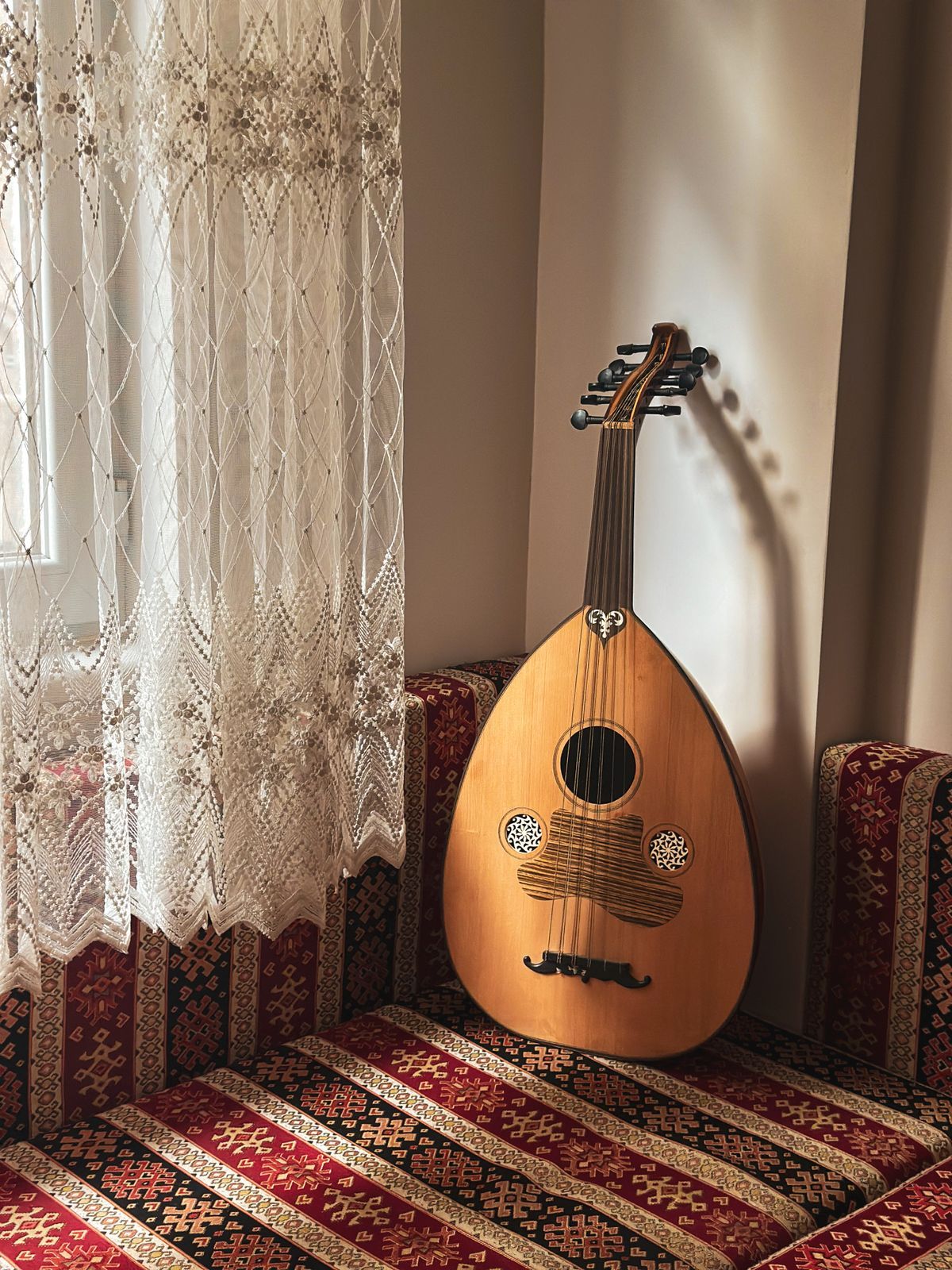
Görücü usulü — literally "the seeing method" — is Turkey's traditional practice of family-arranged introductions, where relatives assess a potential match's suitability before a couple meets. It's often assumed to be a fading, historical custom, but Turkey's own Family Structure Survey found that a majority of first marriages are still arranged in some form — the practice has evolved rather than disappeared.
How görücü usulü traditionally worked
In its classic form, relatives ("görücüler") would visit a prospective bride's family, formally assess her (and by extension, her family's suitability as in-laws), and report back. The couple themselves often had limited say, particularly in earlier generations. This is the version most associated with the term historically, and it's the one that can sound, to an outside audience, like the couple has no agency in the decision.
How it actually works today
The modern version keeps the family-introduction structure but shifts real decision-making power to the couple. Families still identify and vet potential matches — often now aided by broader social networks, professional matchmakers (çöpçatan), or matchmaking apps — but the couple typically meets, spends time getting to know each other, and makes the final decision themselves rather than deferring entirely to family judgment. The "arranged" part increasingly means "family-facilitated introduction," not "family-decided marriage."
Kız isteme: the formal "asking for the girl"
Once a couple (or their families) decide to move forward, "kız isteme" — literally "asking for the girl" — is the formal visit where the groom's family visits the bride's family to request her hand. This remains a live, actively practiced etiquette custom in Turkey today, not a historical relic — it typically involves specific gifts, a structured conversation, and often a formal answer given during the visit itself rather than communicated later.
Why the arranged-marriage rate remains high
The persistence of family-led introduction in Turkey isn't primarily about lack of choice — it reflects the practical value families see in vetting a potential match's background, family reputation, and compatibility before significant emotional investment. For many Turkish families, this is viewed as a sensible risk-reduction step rather than a constraint, comparable to how families in many cultures value a trusted introduction over a purely self-directed search.
Frequently Asked Questions
Does görücü usulü mean the couple has no choice in an arranged Turkish marriage?
Not in its modern practice — families typically facilitate the introduction, but the couple generally makes the final decision themselves after meeting, rather than the earlier historical version where family judgment was closer to final.
What happens during kız isteme?
The groom's family formally visits the bride's family to request her hand in marriage — a structured, etiquette-driven visit that often includes specific gifts and a formal exchange, with an answer frequently given during the visit itself.
Is arranged marriage still common in Turkey?
Yes — Turkey's own national Family Structure Survey found a majority of first marriages are still arranged in some form, though the modern version generally gives the couple significant say in the final decision.
Find a matchmaker who curates your matches — not just another swipe feed.
Find a MatchmakerRelated reading
Denmohar and Biodata: What a Bangladeshi Marriage Proposal Actually Involves
A Bangladeshi marriage proposal blends South Asian biodata customs with denmohar — the Bengali term for the Islamic mahr. Here's what families actually navigate, step by step.
Taaruf vs. Pacaran: Indonesia's Islamic-Compliant Matchmaking Movement
Taaruf is a structured, Islamically-framed introduction process that's become a genuine tech and cultural movement in Indonesia — explicitly positioned as an alternative to secular dating.
Lamaran and Beyond: How Marriage Proposals Work Across Indonesia's Ethnic Traditions
Lamaran is Indonesia's general marriage-proposal custom — but with over 300 ethnic groups, the specifics vary enormously, including one major tradition that reverses who proposes to whom.