Khitba Explained: The Arab Marriage Proposal and Engagement Process
Khitba is the formal engagement stage in Arab marriage customs — distinct from the wedding itself, and the point where the mahr is negotiated. Here's how it actually works.
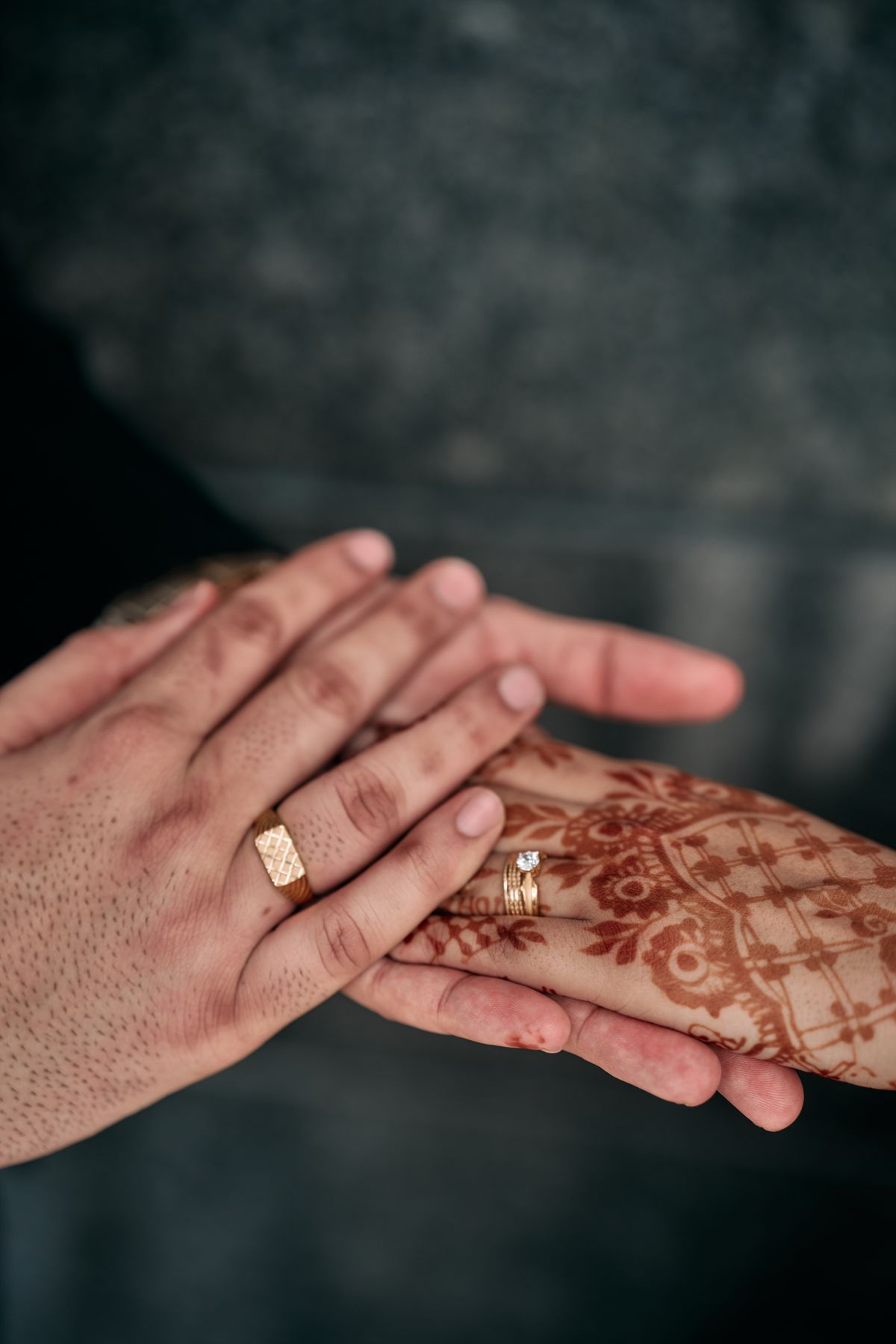
Khitba is the formal engagement stage in Arab marriage customs — a binding promise to marry, agreed between families, that happens well before the wedding celebration itself. It is not simply "getting engaged" in the Western sense; it's a distinct, often religiously and socially significant step with its own etiquette, and in many families it's the stage at which the mahr (the bridal gift owed by the groom) is formally discussed and agreed.
How the khitba process typically unfolds
While specifics vary by country and family, the general shape is consistent across much of the Arab world:
- An initial approach — the groom's family (sometimes the groom himself, increasingly common today) expresses interest, often through a mutual connection or a professional matchmaker (khataba).
- A family visit — the groom's family visits the bride's family to formally ask for her hand. This is a structured, often somewhat formal gathering, not a casual meeting.
- Mahr negotiation — the amount and form of the mahr (cash, gold, or a combination) is discussed and agreed between the families, sometimes with the couple present, sometimes negotiated by elders on their behalf.
- The khitba announcement — once terms are agreed, the engagement is announced, sometimes with a small family gathering or celebration distinct from the wedding itself.
Khitba vs. the wedding: two separate events
One of the most common points of confusion for outsiders: in many Arab families, the katb al-kitab (the marriage contract signing — sometimes called milcha) happens separately from, and often well before, the public wedding celebration. A couple can be legally married via katb al-kitab while the wedding party itself takes place months later. Understanding this two-stage structure matters — a couple may already be married in the religious/legal sense during what looks, from the outside, like "just an engagement period."
Regional variation is real
The Arab world is not one culture, and khitba customs reflect that. Gulf weddings tend toward larger mahr amounts (often in gold) and more gender-segregated gatherings; Levantine engagements are often more mixed and family-integrated; North African customs add distinctive local elements — Algeria's negotiated trousseau tradition (shoura) and Egypt's celebratory zaffa procession are specific to those countries, not shared uniformly across the region. Anyone working with Arab families — as a matchmaker, a curious outsider, or a partner marrying into the culture — should ask about the specific family's regional and personal practice rather than assuming one Arab-world-wide standard.
Frequently Asked Questions
Is khitba legally binding?
Khitba itself is a promise to marry, not the marriage contract — it's treated as serious and socially binding, but the actual legal marriage happens at the katb al-kitab (contract signing), a separate, later step.
Is mahr paid at khitba or at the wedding?
The amount and form are typically agreed during khitba, but timing of actual payment varies by family and country — some pay in full at the contract signing, others structure it as partly immediate and partly deferred.
Do all Arab countries follow the same khitba customs?
No — the core concept (family-agreed engagement preceding a separate contract signing and wedding) is broadly shared, but specific customs, gift traditions, and the scale of celebration vary significantly between the Gulf, the Levant, and North Africa.
Find a matchmaker who curates your matches — not just another swipe feed.
Find a MatchmakerRelated reading
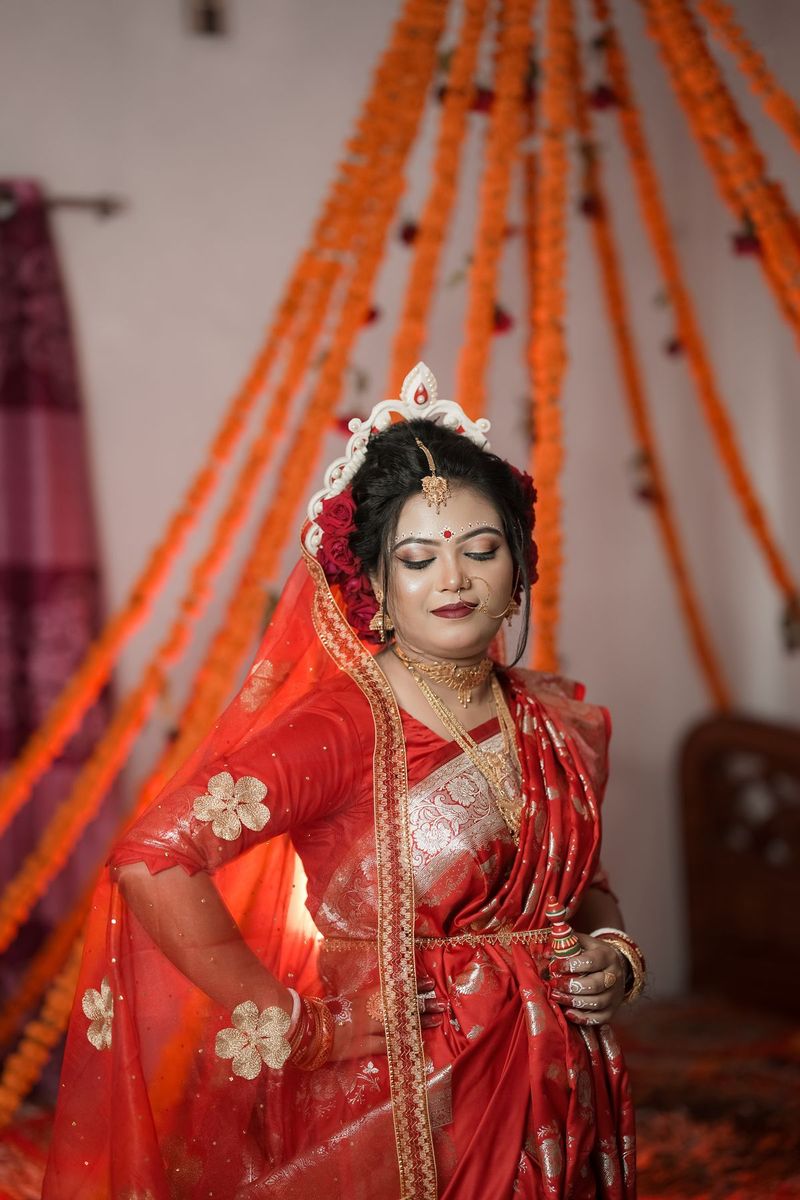
Denmohar and Biodata: What a Bangladeshi Marriage Proposal Actually Involves
A Bangladeshi marriage proposal blends South Asian biodata customs with denmohar — the Bengali term for the Islamic mahr. Here's what families actually navigate, step by step.
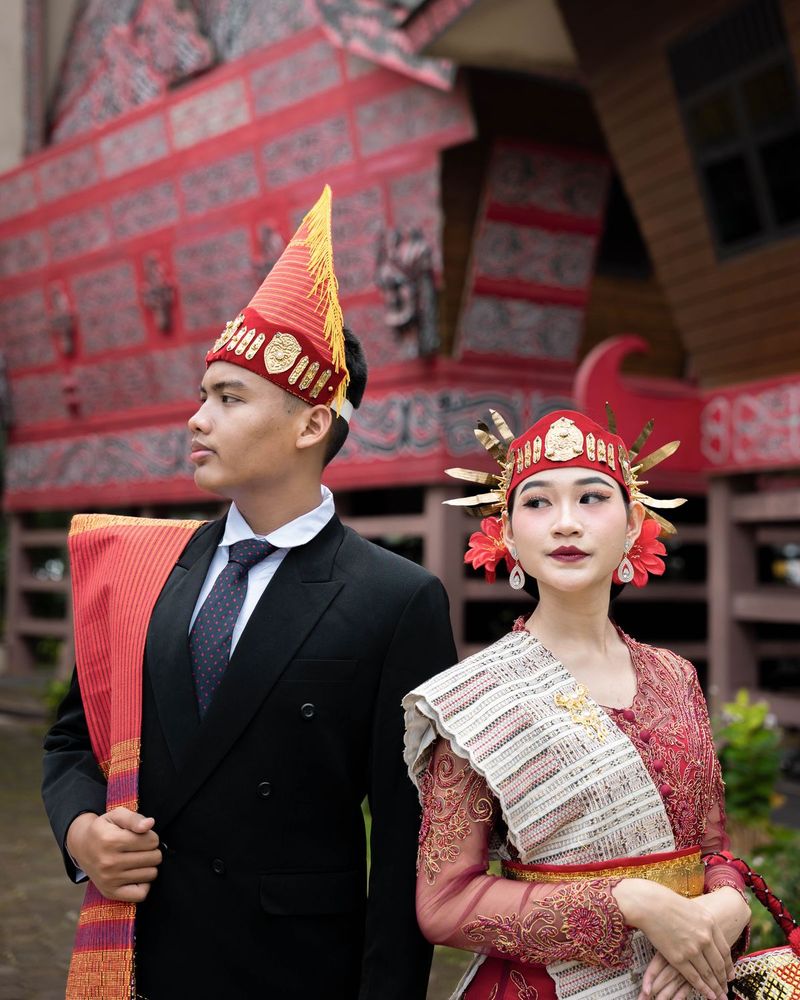
Taaruf vs. Pacaran: Indonesia's Islamic-Compliant Matchmaking Movement
Taaruf is a structured, Islamically-framed introduction process that's become a genuine tech and cultural movement in Indonesia — explicitly positioned as an alternative to secular dating.
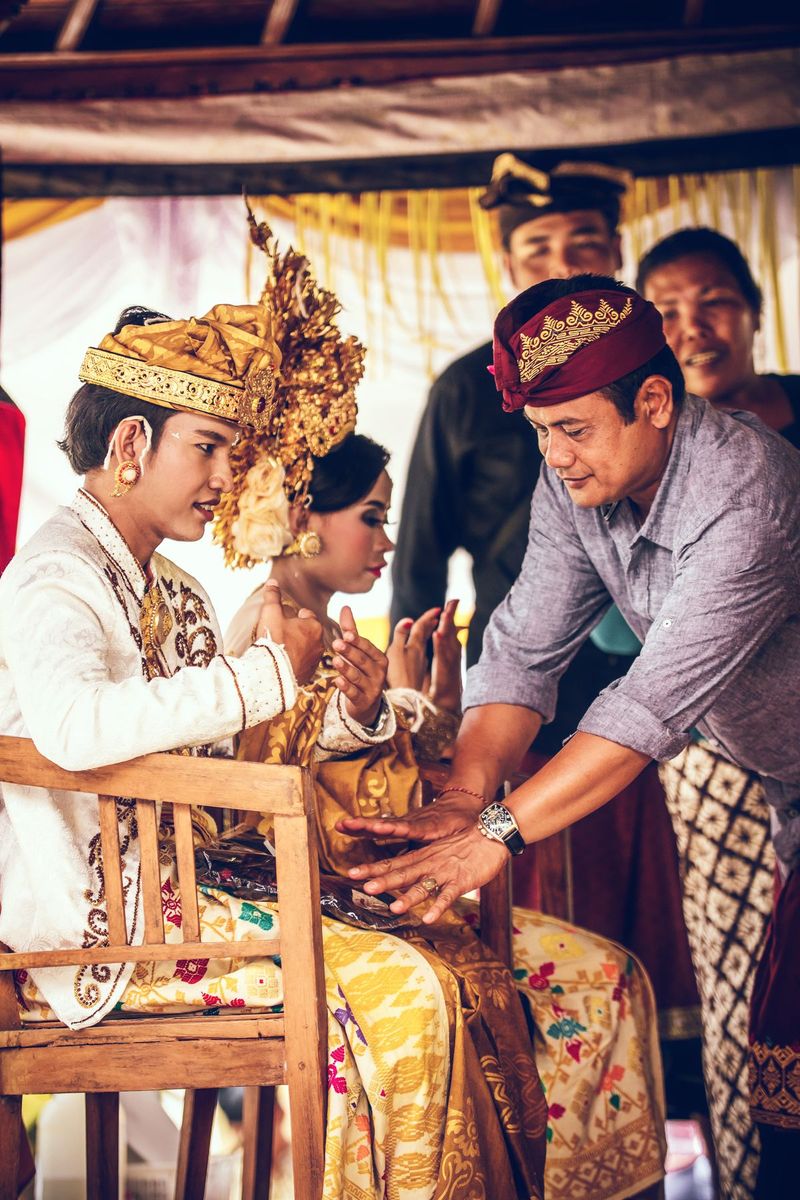
Lamaran and Beyond: How Marriage Proposals Work Across Indonesia's Ethnic Traditions
Lamaran is Indonesia's general marriage-proposal custom — but with over 300 ethnic groups, the specifics vary enormously, including one major tradition that reverses who proposes to whom.