Les Fiançailles: How French Families Still Formalize an Engagement
French engagement customs center on a specific idea: marriage unites two families, not just two people — and les fiançailles is the tradition built around making that formal.
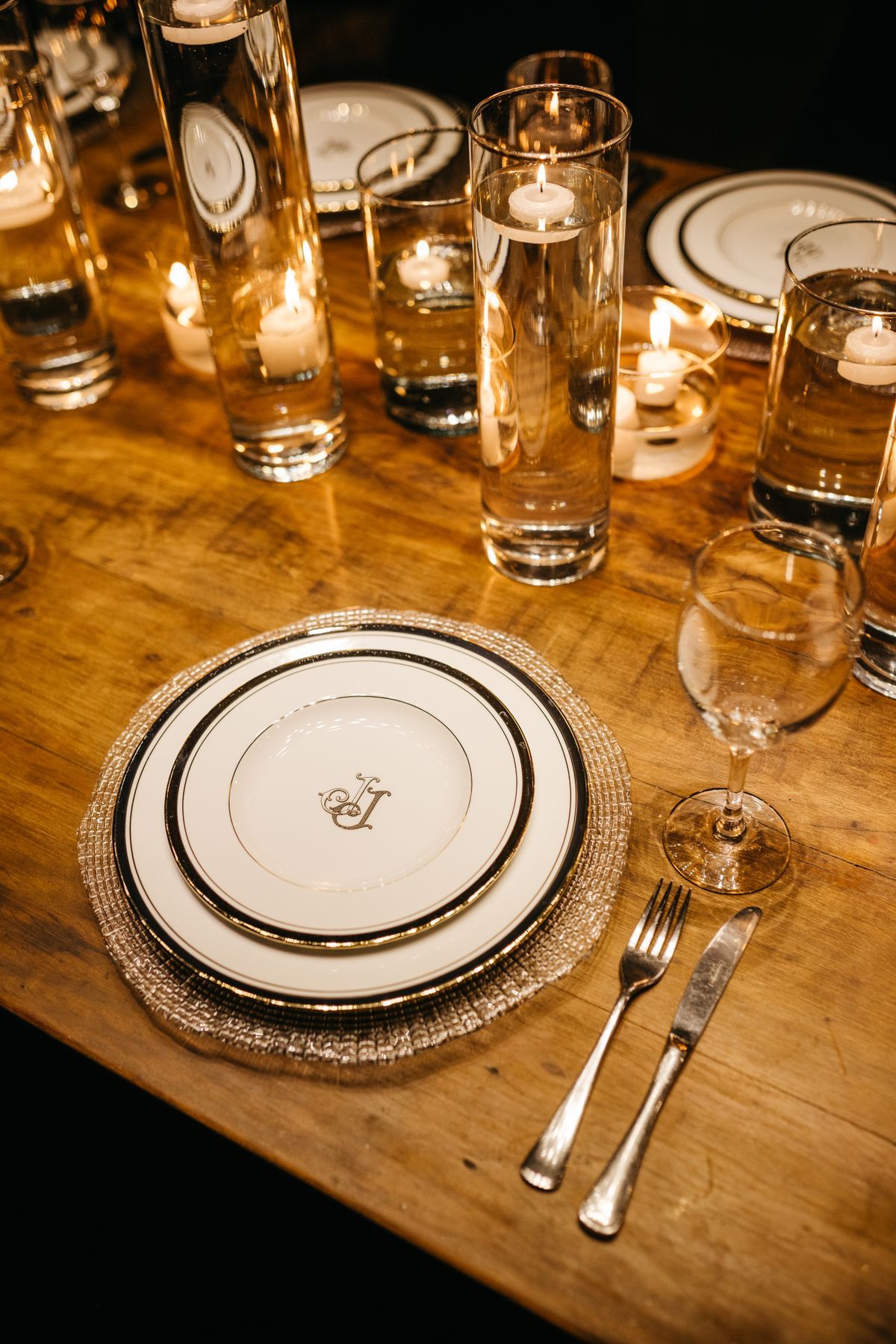
Les fiançailles — the French term for engagement — is traditionally marked by a formal dinner where both families meet for the first time, reflecting a specific cultural framing: a marriage joins two families together, not just two individuals, and that joining deserves its own deliberate, formal moment.
How the tradition typically works
Historically, a couple's engagement was often kept private from their broader social circle until both families had been formally introduced to each other, usually at a dinner — sometimes at a restaurant, deliberately chosen as neutral ground rather than either family's home. This sequencing matters in the tradition: family introduction and approval logically comes before the engagement is announced more broadly, not after.
Why the "two families" framing matters
This isn't just etiquette — it reflects a genuinely different emphasis from the individual-centered framing common in much of Anglo-American dating culture. The fiançailles dinner exists specifically to give both families a formal, structured opportunity to meet and begin building their own relationship as in-laws, treating that family-to-family connection as something worth deliberately cultivating rather than leaving to chance after the wedding.
How the custom has evolved
Like many formal engagement customs across Europe, the strict version of les fiançailles — with its emphasis on privacy before the family dinner and clear sequencing — has loosened considerably in contemporary French culture, particularly in urban areas. The core idea (a dedicated moment for families to formally meet) remains common practice, even where the more rigid rules around timing and secrecy have relaxed.
Frequently Asked Questions
Is les fiançailles legally binding in France?
No — it's a social and family custom, not a legal status, distinct from the marriage itself.
Do French couples still keep engagements private until the family dinner?
Practice varies considerably today — the strict version of this custom has relaxed in much of contemporary French culture, though the family-dinner tradition itself remains common.
What's the purpose of holding the dinner at a restaurant rather than a home?
Neutral ground was traditionally chosen so neither family hosts the other, avoiding any sense of one side's home-turf advantage during this first formal meeting.
Find a matchmaker who curates your matches — not just another swipe feed.
Find a MatchmakerRelated reading

Why Diamonds Became the Engagement Ring Standard (It Wasn't Always This Way)
The diamond engagement ring is one of the most successful marketing campaigns in history — a deliberately manufactured tradition, not an ancient one.
Bundling: The Strange Courtship Custom That Shaped Early America
Bundling — a supervised, clothed practice of a courting couple spending the night together in bed — was a genuine, sanctioned courtship custom in colonial America and rural Scandinavia.

Polterabend and Junggesellenabschied: Germany's Pre-Wedding Rituals
Polterabend and Junggesellenabschied are two distinct, still widely practiced German pre-wedding customs — one about smashing porcelain together, the other a farewell party for single life.