Polterabend and Junggesellenabschied: Germany's Pre-Wedding Rituals
Polterabend and Junggesellenabschied are two distinct, still widely practiced German pre-wedding customs — one about smashing porcelain together, the other a farewell party for single life.
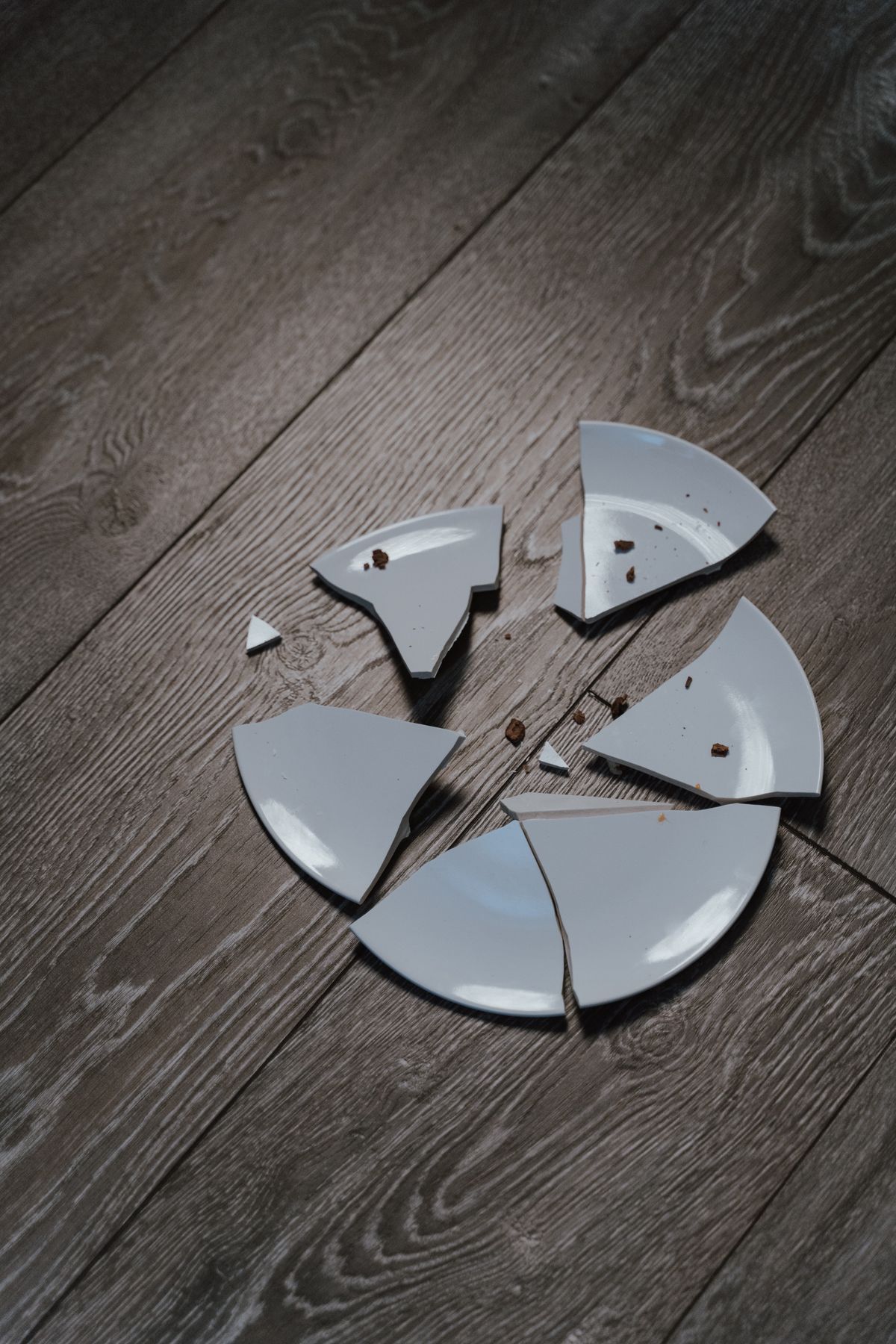
Polterabend ("evening of making noise") is a German pre-wedding tradition where guests bring old porcelain — plates, sinks, tiles, anything ceramic — and smash it in front of the couple's home, who then sweep it up together as a symbolic first shared task of their marriage. It's a genuinely distinct custom from Junggesellenabschied, Germany's version of a bachelor/bachelorette party, and the two are easy to conflate but serve entirely different purposes.
How Polterabend actually works
- Guests gather outside the couple's home (or another chosen venue) on an evening before the wedding, often the night before or a few days prior.
- Porcelain is smashed — deliberately broken items, specifically ceramic, brought by guests for this purpose.
- The couple sweeps it up together — a hands-on, symbolic first act of teamwork, meant to represent handling life's difficulties together going forward.
The specific rule that matters: it must be porcelain or ceramic, never glass — glass is considered bad luck in this context, a distinction genuinely important to getting the custom right.
Junggesellenabschied: a separate tradition
Junggesellenabschied is Germany's equivalent of a bachelor or bachelorette party — a farewell celebration for single life, held separately from Polterabend and typically closer to (or well before) the wedding itself, often involving friends rather than the broader mixed guest list Polterabend usually draws.
Why these customs remain popular
Both traditions remain widely and actively practiced across Germany today, not just in rural or older communities — they've persisted because they serve a genuinely appealing social function: Polterabend as a communal, symbolic ritual the whole community can participate in regardless of formal wedding-invitation status, and Junggesellenabschied as a dedicated space for close friends separate from the more formal wedding day itself.
Frequently Asked Questions
Why is glass avoided at a Polterabend?
Glass is considered bad luck in this specific tradition — only porcelain and ceramic items are used, a distinction that matters to getting the custom right.
Who is invited to a Polterabend?
Often a broader group than the formal wedding guest list — neighbors, colleagues, and community members are commonly welcome, since it's viewed as a communal pre-wedding event.
Is Junggesellenabschied the same as Polterabend?
No — they're distinct traditions. Junggesellenabschied is a bachelor/bachelorette-style farewell party; Polterabend is the porcelain-smashing ritual symbolizing teamwork.
Find a matchmaker who curates your matches — not just another swipe feed.
Find a MatchmakerRelated reading

Why Diamonds Became the Engagement Ring Standard (It Wasn't Always This Way)
The diamond engagement ring is one of the most successful marketing campaigns in history — a deliberately manufactured tradition, not an ancient one.

Bundling: The Strange Courtship Custom That Shaped Early America
Bundling — a supervised, clothed practice of a courting couple spending the night together in bed — was a genuine, sanctioned courtship custom in colonial America and rural Scandinavia.
Les Fiançailles: How French Families Still Formalize an Engagement
French engagement customs center on a specific idea: marriage unites two families, not just two people — and les fiançailles is the tradition built around making that formal.