Why Diamonds Became the Engagement Ring Standard (It Wasn't Always This Way)
The diamond engagement ring is one of the most successful marketing campaigns in history — a deliberately manufactured tradition, not an ancient one.
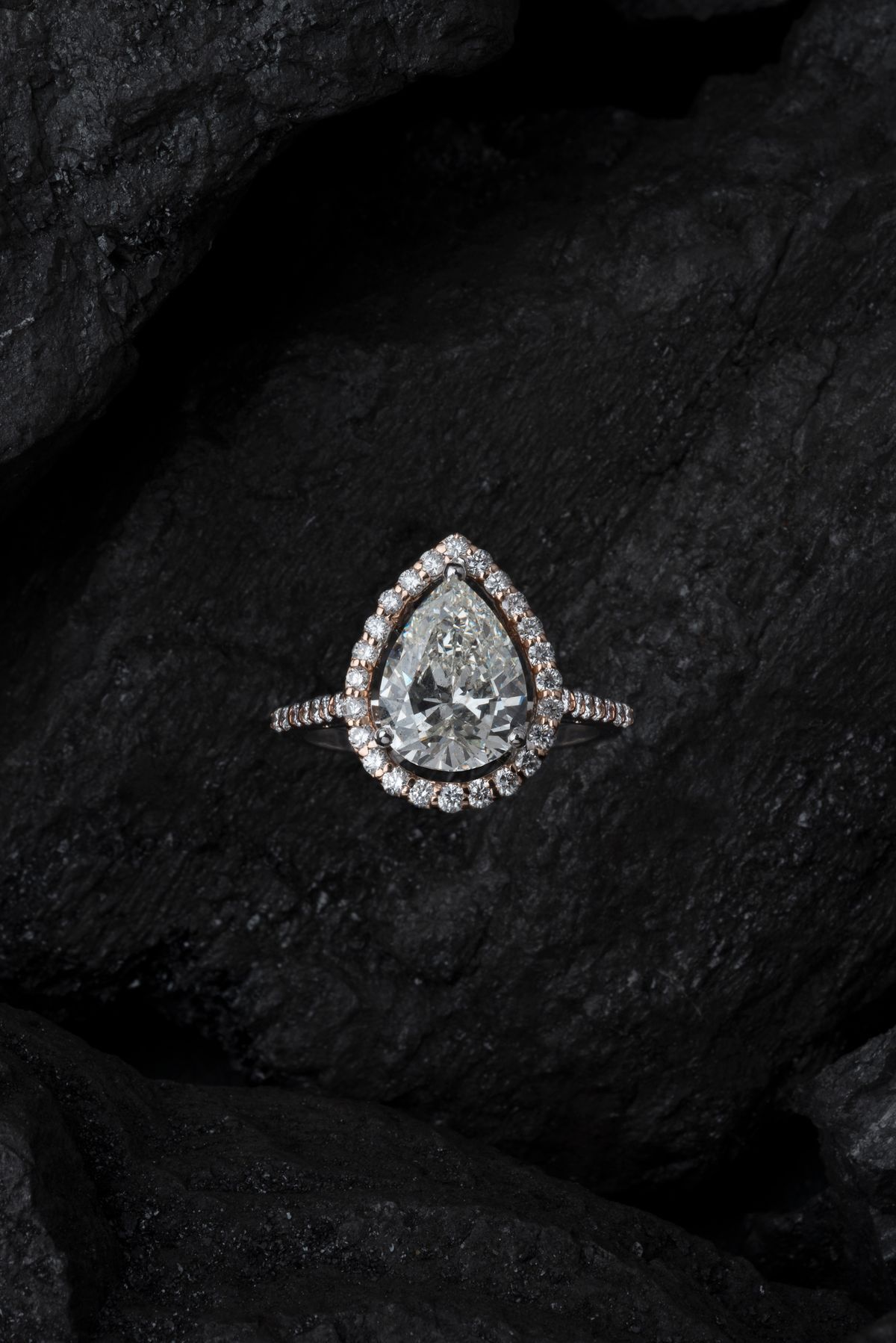
The diamond engagement ring — treated today as a near-default expectation in much of Western culture — is a comparatively recent, deliberately manufactured tradition. In 1939, only around 10% of first-time American brides received a diamond engagement ring; by 1990, that figure had risen to roughly 80%. The shift wasn't organic cultural evolution — it was the direct, traceable result of one of the most successful marketing campaigns of the 20th century.
The campaign that created a tradition
In 1947, copywriter Frances Gerety, working for the N.W. Ayer advertising agency on the De Beers diamond account, coined the line "A Diamond Is Forever." The campaign was launched to address a real business problem: diamond sales had fallen sharply during the Depression, and De Beers wanted to establish the diamond specifically — not just any gemstone or gift — as the required symbol of engagement. The slogan was later voted the greatest advertising slogan of the 20th century, a measure of just how completely it succeeded.
Why this is worth knowing, not just trivia
This is a genuinely useful case study precisely because it's a clear example of a "traditional" custom that was, in verifiable historical fact, a corporate marketing invention rather than an inherited practice — a useful contrast to inherited customs like mahr or denmohar, which carry independent religious and legal grounding rather than a traceable marketing origin. Neither type of custom is more or less "real" to the people who practice it, but understanding which is which helps separate genuine cultural inheritance from manufactured expectation.
What actually changed as a result
- Diamond adoption rose from roughly 10% to roughly 80% of American engagements between 1939 and 1990 — a dramatic, directly-attributable shift.
- "Two months' salary" and similar spending guidelines emerged from the same era of diamond-industry marketing, not from any older custom — later campaigns explicitly suggested how much a buyer should spend.
- The specific-stone requirement (diamond, not another gemstone) became culturally embedded specifically because of this campaign, not because of any older tradition privileging diamonds over other stones.
Frequently Asked Questions
Is the diamond engagement ring an ancient tradition?
No — verifiable adoption rates show it became the dominant Western norm mainly during the mid-to-late 20th century, driven substantially by a specific, well-documented marketing campaign.
Who created the "A Diamond Is Forever" slogan?
Copywriter Frances Gerety, working for the N.W. Ayer agency on the De Beers account, in 1947.
Does this mean diamond engagement rings aren't meaningful?
Not at all — a custom's commercial origin doesn't determine its personal meaning to the people who choose to practice it; the point is simply that its "traditional" status is more recent and manufactured than commonly assumed.
Find a matchmaker who curates your matches — not just another swipe feed.
Find a MatchmakerRelated reading

Bundling: The Strange Courtship Custom That Shaped Early America
Bundling — a supervised, clothed practice of a courting couple spending the night together in bed — was a genuine, sanctioned courtship custom in colonial America and rural Scandinavia.

Polterabend and Junggesellenabschied: Germany's Pre-Wedding Rituals
Polterabend and Junggesellenabschied are two distinct, still widely practiced German pre-wedding customs — one about smashing porcelain together, the other a farewell party for single life.
Les Fiançailles: How French Families Still Formalize an Engagement
French engagement customs center on a specific idea: marriage unites two families, not just two people — and les fiançailles is the tradition built around making that formal.