What Is a Shidduch? Inside the Jewish Matchmaking Tradition
Shidduch is a living matchmaking tradition in Orthodox Jewish communities today, not a historical relic — built around a matchmaker called a shadchan who proposes and vets a match.

A shidduch is a proposed marriage match within Jewish tradition, brought together by a matchmaker called a shadchan. It's an actively practiced system in Orthodox Jewish communities today — not a historical custom kept alive only in stories — built around structured introductions, family vetting, and a defined early-dating process aimed specifically at marriage.
What a shadchan actually does
A shadchan — who can be a professional, a rabbi, or simply a well-connected community member — proposes a match ("redt a shidduch") between two people based on real knowledge of both families: values, religious observance level, family background, and personal compatibility. This is closer in spirit to a curated introduction than a swipe-based discovery process — the shadchan has usually already done meaningful vetting before the two people ever meet.
The shidduch resume
Much like the biodata used across South Asian matchmaking traditions, many communities use a written "shidduch resume" — covering education, religious background, family details, and personal qualities — shared between families before a match is proposed. The document serves the same core purpose across very different cultures: give a prospective family enough structured information to decide whether an introduction is worth pursuing.
How the process typically unfolds
- Information gathering — the shadchan collects background on both individuals and families, often through references within the community.
- The proposal — the shadchan suggests the match to both families, sharing relevant information about each side.
- Early dating — if both sides agree, the individuals meet, typically for a series of structured dates focused specifically on assessing marriage compatibility.
- Ongoing involvement — the shadchan often stays available for guidance during this period, then steps back as the relationship progresses toward engagement.
A tradition with real internal diversity
It's worth being precise here: "Orthodox Judaism" is not one uniform practice, and shidduch customs vary meaningfully between Hasidic, Yeshivish, and Modern Orthodox communities — the level of formality, the age at which dating typically begins, and how much independence the individuals have in the process all differ by community. Treating shidduch culture as a single monolithic system would miss real, meaningful variation that matters to the people practicing it.
Frequently Asked Questions
Is shidduch dating the same as arranged marriage?
Not exactly — a shadchan proposes and facilitates the introduction, but the two individuals generally make their own decision about whether to continue after meeting, rather than the match being decided for them.
Is the shidduch system still commonly used today?
Yes — it remains an active, widely used practice within Orthodox Jewish communities globally, including formalized platforms that have moved parts of the process online.
What is a shidduch resume?
A written profile — similar in purpose to a matrimonial biodata — covering education, religious background, and family details, shared between families before a match is proposed.
Find a matchmaker who curates your matches — not just another swipe feed.
Find a MatchmakerRelated reading

Why Diamonds Became the Engagement Ring Standard (It Wasn't Always This Way)
The diamond engagement ring is one of the most successful marketing campaigns in history — a deliberately manufactured tradition, not an ancient one.

Bundling: The Strange Courtship Custom That Shaped Early America
Bundling — a supervised, clothed practice of a courting couple spending the night together in bed — was a genuine, sanctioned courtship custom in colonial America and rural Scandinavia.
Polterabend and Junggesellenabschied: Germany's Pre-Wedding Rituals
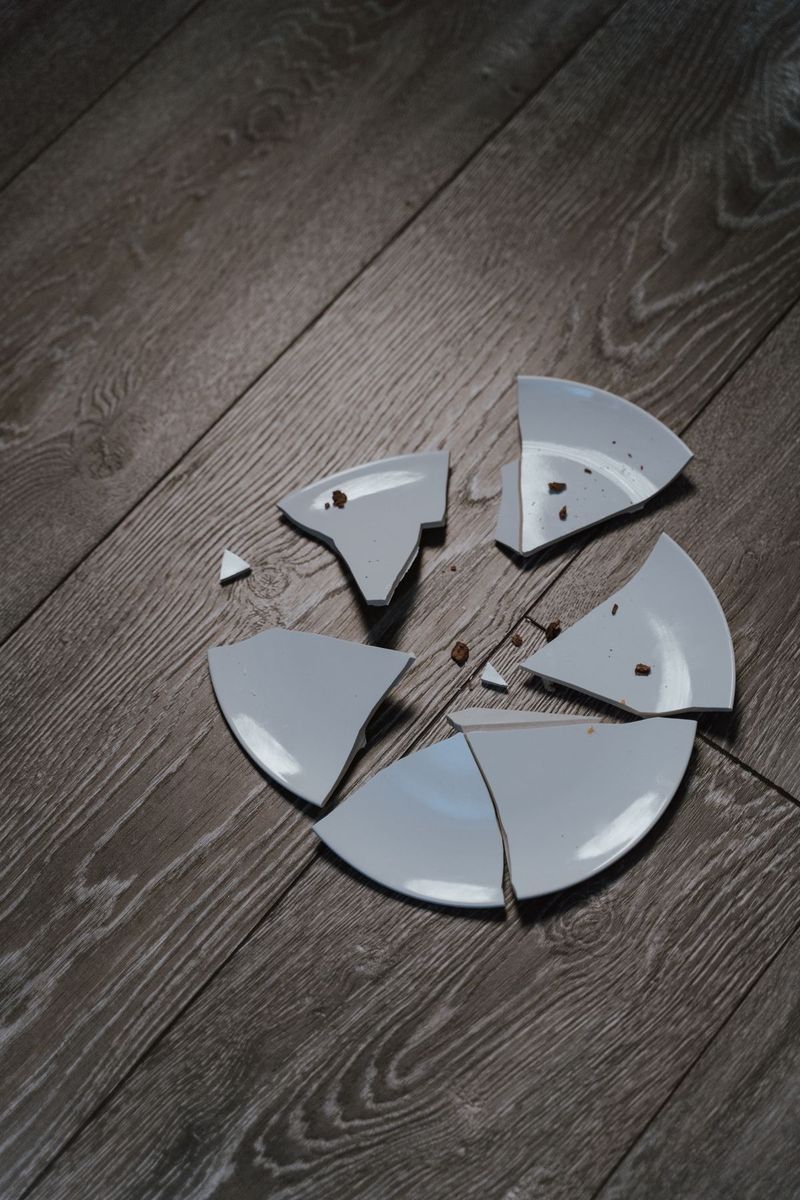
Polterabend and Junggesellenabschied are two distinct, still widely practiced German pre-wedding customs — one about smashing porcelain together, the other a farewell party for single life.